October 06, 2026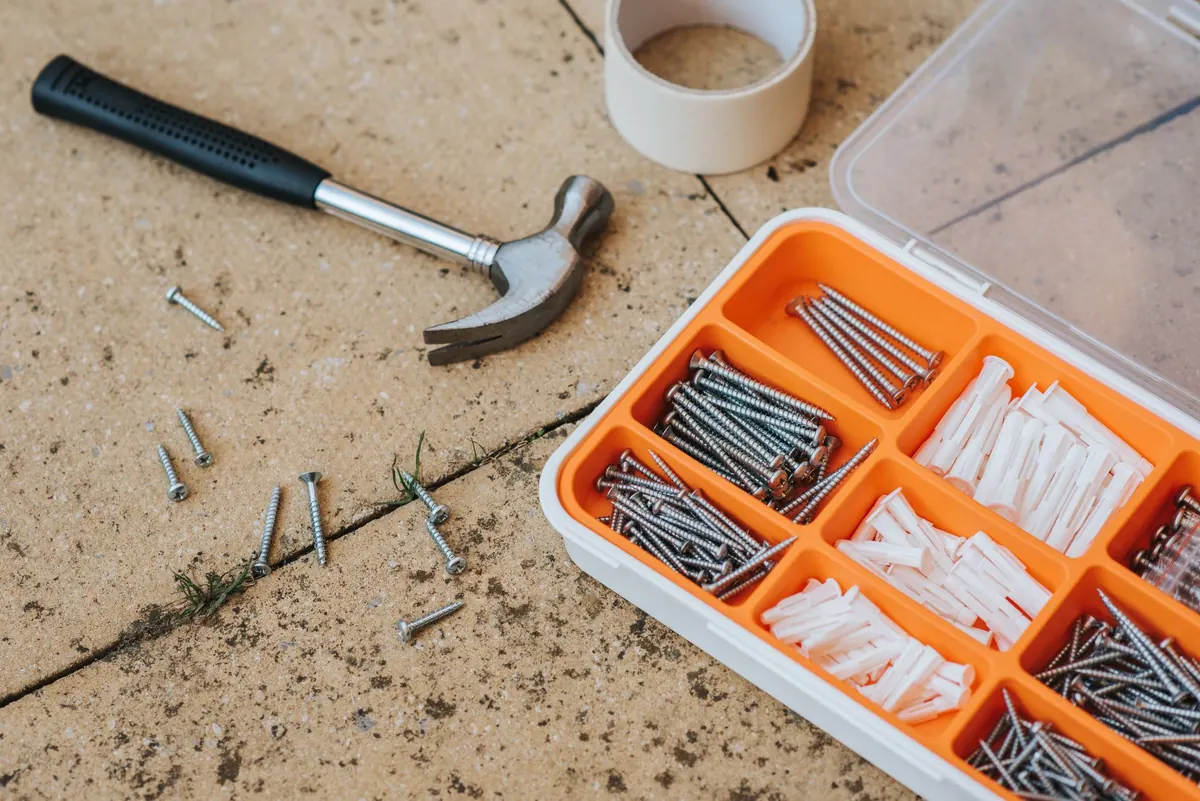
Start With a Ten-Minute Monthly Routine
Anchor these to a date you already remember: bin day, payday, the first Sunday of the month. Set a phone reminder and the whole lot takes a quarter of an hour.
- Test the smoke alarms, and the carbon monoxide alarm if you have one. Hold the test button until it sounds, then release. A repeated chirp means the battery is on its way out — swap it the same day rather than promising yourself you will do it at the weekend. Write the fitting date on the back of the alarm with a marker pen; most units are good for ten years, after which the whole alarm has to be replaced, not just the battery.
- Read the boiler pressure gauge. On a typical UK combi the needle should sit between 1 and 1.5 bar while the system is cold. Dropping below 1 usually means you need to top up through the filling loop; creeping above 2 means a call to a Gas Safe registered engineer. Low pressure is the single most common reason a boiler refuses to fire on a cold Monday morning.
- Look for drips and damp patches. Under the kitchen sink, behind the washing machine, at the base of radiators, around the boiler casing and beneath the bath. Five seconds of looking now saves a ceiling later.
- Run every tap and flush every loo, including the outside tap and any bathroom nobody uses. Stagnant water sitting in a pipe at room temperature is exactly the condition that allows legionella bacteria to multiply, so keep the guest rooms and utility sinks in circulation.
- Check the bathroom and kitchen extractor fans. Hold a sheet of toilet paper near the grille — if it clings, the fan is pulling air. If it flops, the fan needs cleaning or replacing, and your condensation problem is about to get worse.
- Look into the loft with a torch. Any water staining on the underside of the roof felt, or daylight where there should be none, is worth investigating before the next storm finds it.
- Press the test button on your consumer unit RCD if fitted. It should trip immediately and reset cleanly. An RCD that will not trip is a safety device that has quietly stopped being one.
Why Ten Minutes Beats a Heroic Weekend
Almost every expensive domestic repair starts life as something trivial. A gutter that overflows for one winter soaks the fascia board, which rots, which lets water into the wall plate. A dripping tap wastes hundreds of litres a year and eventually needs a new washer and seat. The point of a monthly sweep is not that these jobs are difficult — it is that they are only cheap while they are small.
Spring: Undo the Winter
As soon as the worst of the weather has passed, walk the outside of the house and inspect it the way a surveyor would.
- Clear the gutters and downpipes once the last of the moss has washed down. Wear gloves, use a ladder on firm level ground, and have someone foot it. Check that water leaving the downpipe actually reaches the drain, not the wall.
- Check the roof for slipped or cracked tiles from ground level with binoculars. If you can see a gap, get it looked at — a slipped tile is cheap to refix and expensive to ignore.
- Wash down the patio and driveway and pull weeds from the joints before they set seed. Look at how water drains away from the house; the ground should always fall away from the walls, and the damp proof course should sit at least two courses of brick above the soil outside.
- Clear air bricks and vents. These keep the sub-floor dry, and a blocked one is a classic cause of the musty smell in a front room.
- Open the windows and air the house properly for a few hours on a dry day. Spring is the cheapest way to dry out a home, and it costs nothing.
Summer: The Jobs That Need Dry Weather
Anything involving paint, sealant or a ladder belongs in the warm, dry months.
- Book the annual boiler service. Engineers are quieter in summer, and it is far cheaper than an emergency call-out in December. Ask them to check the condensate pipe route while they are there.
- Bleed the radiators — cold at the top, warm at the bottom means trapped air. Add inhibitor to the system if a magnetic filter is fitted, and consider fitting one if it is not.
- Re-sand and paint external woodwork: window frames, doors, fascias, and the shed. Seal around frames with an exterior-grade sealant rather than silicone where the joint is meant to move.
- Re-stain or oil the decking and treat any garden structures before the wet weather returns.
- Test the smoke alarms' backup batteries again and give the whole house a proper clean behind the radiator panels, where dust builds into a fire risk.
Autumn: The Most Important Season of the Year
If you only do maintenance seriously once, do it now. This is the season that determines whether you have a quiet winter or an expensive one.
- Clear the gutters a second time, after the leaves have fallen. Twice a year is the realistic minimum for a house under trees.
- Check the drains and gullies for leaves and silt, and lift the manhole cover to make sure water actually runs away.
- Fit or replace draught proofing on doors, letterboxes, keyholes and loft hatches. Brush or rubber seals on external doors and a chimney draught excluder are two of the cheapest, highest-return jobs in the house — a cold draught is a bigger heat loss than most people expect.
- Top up loft insulation to a depth of around 270mm where it is thin, and make sure it does not block the eaves ventilation.
- Lag exposed pipes in the loft, garage, outbuildings and against external walls, and lag the cold water tank if you still have one.
- Find the stopcock and make sure it turns. If you cannot turn it off, a burst pipe becomes a flooded house. Tag it so everyone in the household knows where it is.
- Turn the outside tap off at its internal isolator and drain the pipe before the first hard frost.
- Have the chimney swept if you use a fire or stove, and book solid fuel and oil services before the rush.
Winter: Protect, Ventilate, Wait
Winter is not the time for big jobs, but it is the time for vigilance.
- Keep the heating on a background setting rather than off entirely while you are away, and never let the house drop below about 12°C.
- Watch the boiler condensate pipe. The plastic pipe that carries acidic water outside is the number one cause of "the boiler has stopped" in a cold snap. Lagging it, or rerouting it internally, prevents most of these failures.
- Deal with condensation properly. Dry washing outdoors or in a vented tumble dryer where possible, keep trickle vents open, use extractor fans, and wipe windows down in the morning. Persistent black mould on external walls is usually a ventilation problem, not a structural one — though a musty smell and a damp patch with a tide mark is a different matter and worth a professional look.
- Keep salt or grit by the door and clear paths early; an icy step is one of the most common winter injuries at home.
The Annual Jobs Nobody Remembers
- Book a Gas Safe registered engineer for the boiler and any gas appliance, every year, without exception.
- Check the EICR — the Electrical Installation Condition Report. Owner-occupiers should consider one every ten years; landlords are legally required to have one every five years.
- Review your buildings and contents insurance against what you actually own and the rebuild cost of the property.
- Clear out the airing cupboard and check the immersion heater timer if you have one, and test the trip switch on your electric shower.
- Photograph the fuse box, the stopcock and the boiler gauge and keep the pictures on your phone. In an emergency, you will not remember which lever does what.
Maintenance is not about perfect houses. It is about making sure that when something fails, you find out on a Saturday morning with a torch, rather than at midnight with a bucket.
When to Call a Professional
Some jobs are genuinely not DIY. Anything involving a gas appliance, work on the consumer unit beyond resetting a trip, roof work at height, and anything on a listed building should go to a qualified tradesperson. For everything else, the test is simple: if a mistake would be cheap to fix and you are not working near water or electricity, have a go. If a mistake means a new ceiling, call someone.
The rhythm to hold on to is not a weekend of catching up — it is a monthly pass, an annual service, and two good gutter clearings a year. That, plus a stopcock you know how to turn, is the whole thing.
Photo: Anete Lusina / Pexels