September 23, 2026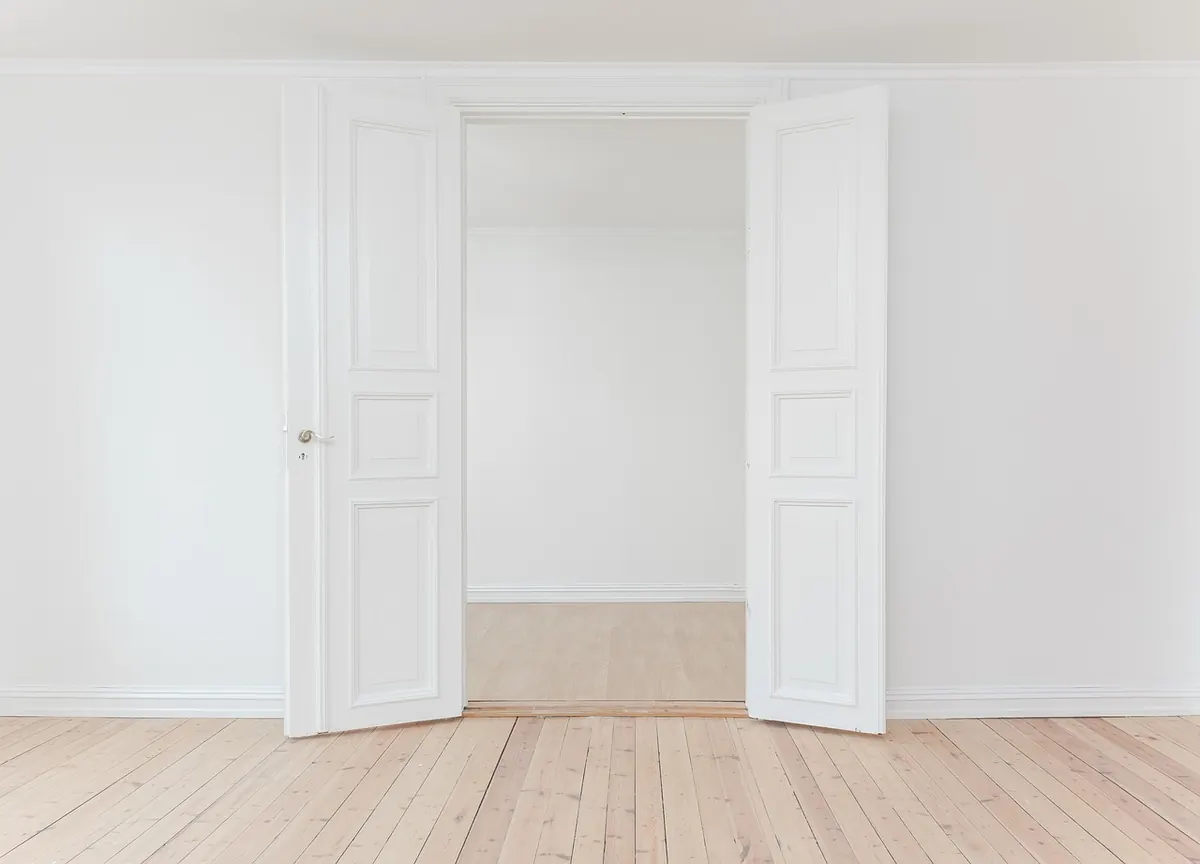
Pulling up a tired carpet and finding original boards underneath is one of the nicer surprises a British home can offer. Then you clean them for a year and they look dull, grey and scratched, and you cannot work out what went wrong. Usually nothing dramatic happened. The damage came from small habits: a mop that was wetter than it looked, a bottle of vinegar used because it was to hand, a bit of grit walked in from the street and ground around underfoot. Here are the mistakes worth avoiding, whether your boards are Victorian pine, wide oak planks or a modern engineered floor.
Water Is the Main Culprit
Wood moves. When moisture gets into boards, they swell, the edges lift into a shape fitters call cupping, and the gaps underneath close up. When the floor dries out again, it shrinks, the gaps open wider than before, and the finish along the seams starts to crack and flake. That cycle is what turns a solid floor into a creaky, patchy one — not one accident, but a wet mop used every Saturday for two years.
The good news is that a floor can be cleaned with very little water indeed. Wring your mop until it stops dripping, then wring it again. A microfibre flat mop is a better choice than a string mop, which holds far more water and releases it as you go. If you prefer a spray bottle, mist the cloth rather than the boards, work in sections of a couple of square metres, and buff dry with a second cloth so nothing is left sitting on the surface.
If you can see a film of water sitting on the boards, there is too much of it.
Steam is not a shortcut here either. Heat and moisture forced into the seams can lift lacquer and open joints, so unless the manufacturer specifically says otherwise, keep steam mops for tiles.
Vinegar Is Not a Wood Floor Cleaner
White vinegar and water is a brilliant, cheap solution for tiles, kettles and windows. On a sealed wooden floor it is a slow problem. Vinegar is acidic, and repeated use dulls lacquer, varnish and wax finishes, leaving a patchy sheen that no amount of buffing brings back. Splash it around on a floor with exposed nails or old ironwork and you may also get dark staining, because the acid reacts with the metal and the tannins in oak.
For everyday cleaning, use a pH-neutral wood floor cleaner, diluted as the bottle says. For greasy marks near the cooker, a small drop of washing-up liquid in a bucket of warm water is plenty — just keep the cloth barely damp, and go over the area once more with clean water to remove any residue.
Grit Turns Into Sandpaper Under Your Feet
Sand, soil and small stones are abrasive. Trapped under a shoe, a chair leg or a dog's paw, they scuff the finish in a way that looks like general wear but is actually scratching. The damage shows up first in walkways: the path from the door to the kitchen, the strip in front of the sofa, the route to the stairs.
A few habits do most of the work here:
- Put a decent doormat outside and a second one inside, and shake them out weekly.
- Ask people to remove shoes at the door — it is the single most effective thing you can do for a wooden floor.
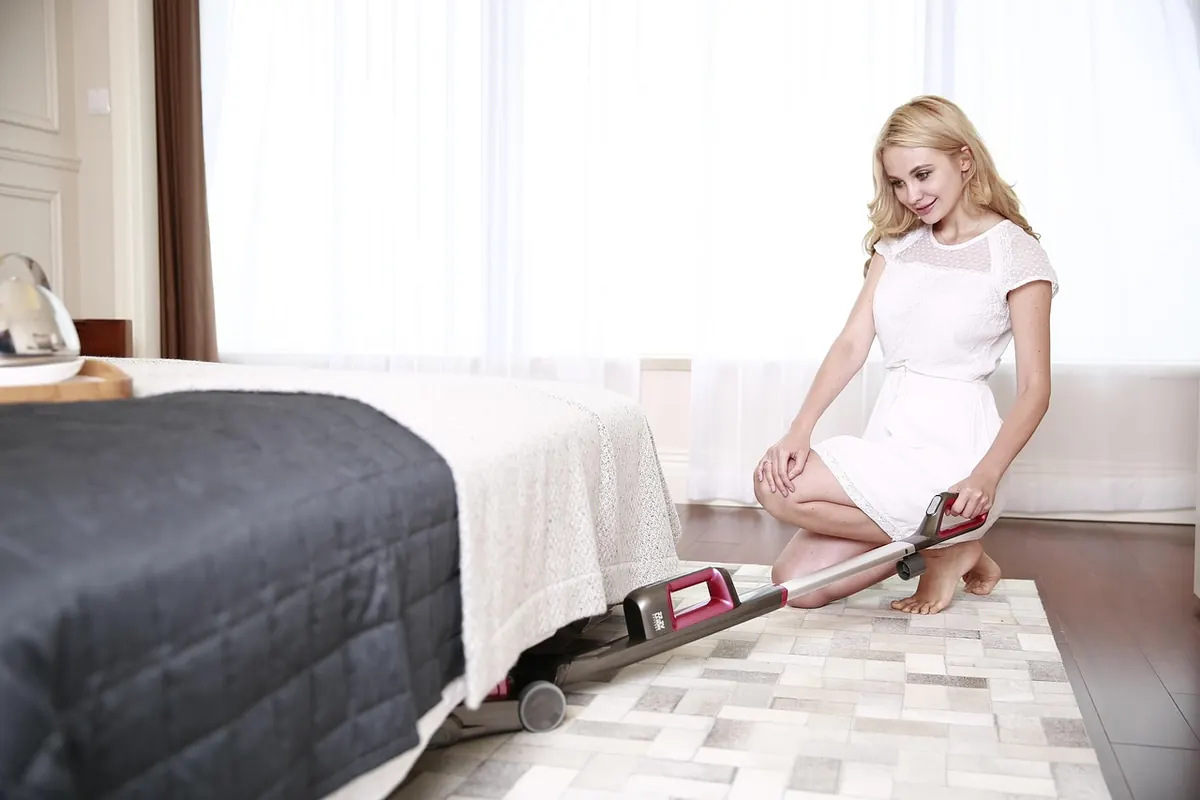
- Sweep or vacuum often, using a brush head or a hard-floor setting rather than a rotating beater bar.
- Fit felt pads to every chair, table and sofa leg, and replace them when they flatten or fall off.
- Lift furniture rather than dragging it when you rearrange a room.
For a quick pass, a dry microfibre dust mop picks up fine dust without pushing it into the gaps.
Scourers, Wire Wool and Harsh Creams
When a mark will not shift, the instinct is to scrub harder. Resist it. Abrasive cream cleaners and scouring pads cut through the finish as well as the dirt, and wire wool is worse: it leaves tiny fragments of iron behind, which rust and stain oak black where they meet the tannins in the wood.
For sticky patches, start with a damp cloth and a specialist wood cleaner, give it a minute to work, then wipe. Stubborn blobs of wax, paint or food respond better to a plastic scraper or an old credit card used gently at a shallow angle. If a mark still will not budge, it is usually a finish problem rather than a dirt problem, and a flooring specialist is the better call.
Too Much Product Leaves a Dull Film
Polish on top of polish builds a soft, smeary layer that shows every footprint and eventually needs stripping off. Mixing products causes trouble too: oil soap over a lacquered floor, or a water-based cleaner on top of wax, gives you a cloudy, uneven finish that looks like dirt but will not wipe away.
Find out what your floor is finished with — lacquer, hard wax oil or traditional wax — and use products made for that finish. If you do not know, test in a corner behind a sofa first. Silicone-based polishes are best avoided altogether, because they can make a future refinish much harder. One suitable product, used sparingly and rinsed well, beats a cupboard full of half-empty bottles.
Don't Flood the Gaps Between the Boards
Old boards have gaps, and those gaps collect crumbs, hair and fine dust. It is tempting to slosh water along the seams to flush them out, but that pushes moisture exactly where you least want it. Vacuum along the gaps with a brush attachment instead, or run a thin, blunt tool wrapped in a cloth along each seam. Remember that gaps open and close with the seasons: wide in a dry winter, tighter in a damp autumn. That is normal movement, not a cleaning failure.
A Simple Routine That Protects Your Boards
- Most days: sweep or vacuum the walkways with a soft brush head.
- Weekly: damp-mop with a well-wrung microfibre pad and a pH-neutral cleaner, working in small sections and drying as you go.
- Spills: blot immediately with a dry cloth rather than rubbing, and let the area air dry.
- Damp days: skip washing altogether if the air feels humid or the windows are running with condensation; a dry mop is enough.
- Twice a year: check felt pads, look for worn patches in front of the sink and sofa, and top up the finish on oiled floors as the maker recommends.
If you notice boards cupping, black stains spreading around old nails, or finish lifting in sheets, stop cleaning and get advice from a flooring specialist before you try anything else. Most of the damage described here is preventable, and a floor that is cleaned little and often, with barely any water, will keep its colour and its character for decades.
Photo: StockSnap / Pixabay