September 26, 2026
British winters rarely announce themselves with one dramatic storm. They arrive as weeks of grey drizzle, damp air and coats that never quite dry. By March, that moisture has left its mark: misted windows every morning, a faint musty smell in the spare room, white tidemarks across the hall floor and a ridge of dark speckling along the bathroom grout. Spring cleaning after a winter like that is less about scrubbing and more about drying the house out and getting air moving through it again.
Start by airing, not scrubbing
You cannot clean a wet house; you can only push the moisture around. Before you reach for the spray bottle, spend a week getting air through the rooms.
Short bursts beat a permanently open window. Ten to fifteen minutes of cross-ventilation — a window open on each side of the house, internal doors open too — swaps the humid air without chilling the walls. A window left on the latch all day does the opposite: it cools surfaces, and cool surfaces are exactly where condensation forms.
Then work through the things nobody notices until they fail:
- Trickle vents above windows: dust them and stop curtains and blinds covering them.
- Extractor fans in the bathroom and kitchen: wipe the grille and let the fan run for ten minutes after a shower or a long cook.
- Air bricks on older houses: check they are not blocked by bins, climbers or pushed-back insulation.
- Dehumidifier filters: rinse or replace them so the machine actually pulls water out of the air.
- Wet laundry: dry it outdoors on any dry day, or in one room with the door shut and a window open.
Where the damp is actually coming from
Most winter mould in British homes is condensation rather than a leak, and condensation is a routine problem, not a mystery. It forms on the coldest surfaces first: window glass, external wall corners, the back of wardrobes pushed tight against a wall.
A few habits stop it building up:
- Wipe windows and sills each morning with a cloth or squeegee, and wring it straight into the sink.
- Pull furniture two or three centimetres off external walls so air can move behind it.
- Leave wardrobe doors ajar and stop stuffing cupboards to the ceiling.
- Keep the bathroom door shut while you shower, then open the window afterwards.
If a wall is wet after rain, that is a different job altogether. Check gutters, downpipes, cracked render and dripping overflows, and if plaster feels soft or tide marks climb the wall, get a surveyor or damp specialist to look before you decorate over it.
Mould: clear it properly, then keep it away
Small patches on silicone and grout
Bathroom sealant and grout respond well to a proprietary mould spray. Ventilate the room, wear gloves, leave the product on for as long as the label says, rinse and dry the surface. Never mix cleaning products, and keep bleach away from anything ammonia-based.
Porous surfaces: plaster, wood, fabric
These need a gentler approach. A diluted white vinegar solution, or a dedicated cleaner for the surface, applied with a damp cloth, is usually enough — test a hidden patch first. Do not dry-brush mould, because it just flicks spores into the air. Wash cloths hot afterwards or throw them away.
Soft furnishings take more patience. Wash what the care label allows at the highest temperature it permits and dry it thoroughly, ideally outdoors. Vacuum mattresses on both sides, air pillows and duvets, and replace anything where mould has worked into the filling.
If mould covers a large area, keeps returning within a few weeks, or anyone in the house has asthma or a weakened immune system, it is worth getting professional advice rather than managing it yourself. In rented housing, report it to your landlord in writing and keep a copy.
Windows, frames and everything around them
Windows take the brunt of a wet winter, and they are usually the dirtiest thing in the house by spring.
- Tracks first. Vacuum with a brush attachment to lift grit, then wipe with a cloth. A cotton bud gets into the corners.
- Drainage slots. Clear the small holes at the bottom of the frame with a cocktail stick or straightened paperclip, then trickle a little water through to check they run.
- Frames. Warm water with a drop of washing-up liquid is plenty for uPVC. Skip cream cleaners, scouring pads and solvents, which dull the finish.
- Glass. Wash with the same warm water, squeegee from the top down, then buff with a dry microfibre cloth. A dull day reduces streaks.
- Blinds and curtains. Vacuum fabric blinds on a low setting, check care labels before washing, and rehang curtains slightly damp so creases drop out.
Do not forget the top of the frame and the window reveal, where condensation sits quietly all winter. A quick wipe now saves a bigger job later.
Salt, grit and the state of your floors
Road salt comes in on boots and paws and dries into chalky white tide marks along skirting boards, floor edges and dark shoes.
Two mats at each entrance make the biggest difference: a coarse one outside to scrape, an absorbent one inside to soak. Vacuum hard floors before you mop, because grit scratches as it travels.
For most hard floors, warm water with a pH-neutral cleaner is the safest choice; keep acidic cleaners away from natural stone and go easy on grout. Wooden floors want a barely damp mop and a dry cloth straight afterwards. Salt marks on skirting wipe away with a cloth wrung almost dry.
Boots and shoes need brushing off while dry. Synthetic uppers cope with a diluted vinegar wipe; leather prefers a proper leather cleaner and conditioner. Wash or shake out doormats weekly, and replace coir mats once they stop absorbing.
The spring checklist, in the right order
Work from the top of the house down, and from dry cleaning to wet:
- Aim the whole house for fifteen minutes with windows on opposite sides.
- Dust ceilings, cornices, picture rails and the tops of door frames.
- Vacuum curtains, blinds and upholstery before anything gets wet.
- Clear and clean window tracks, drainage slots, frames and glass.
- Wipe walls and skirting top-down, treating mould as you find it.
- Clean extractor grilles and replace filters.
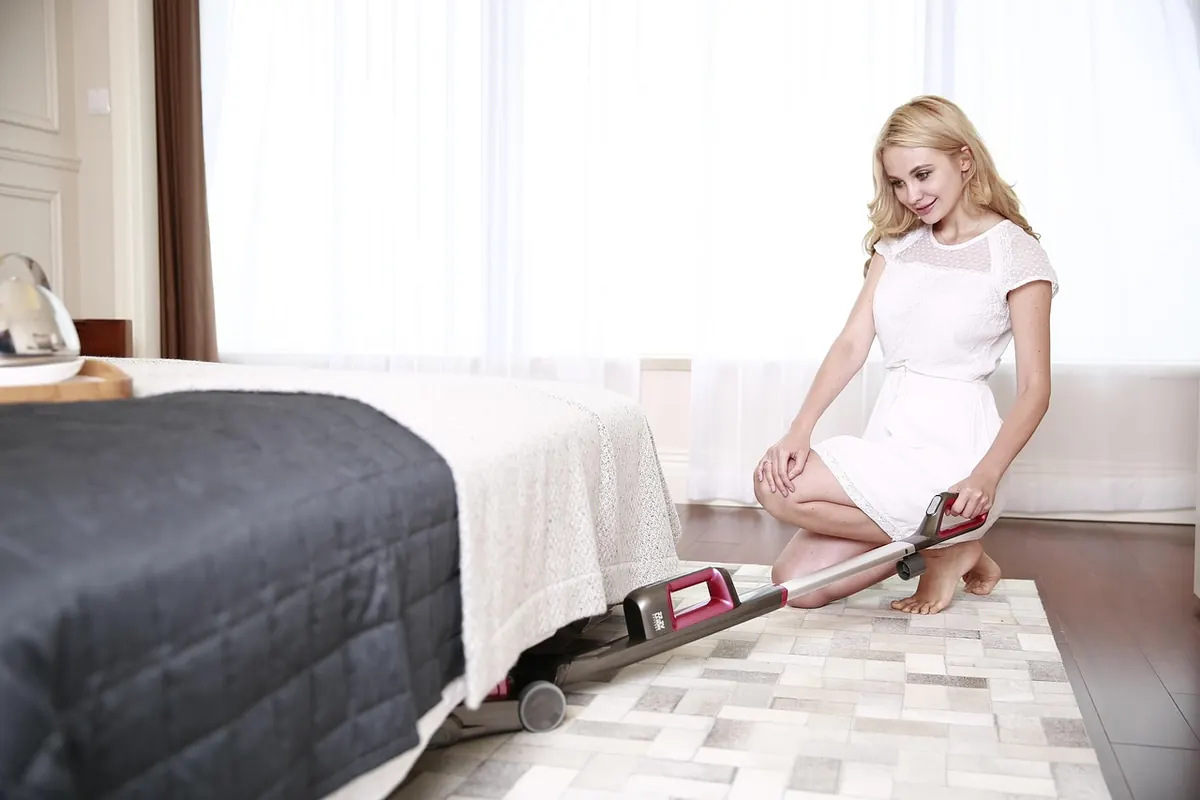
- Vacuum thoroughly, including under beds and behind furniture pulled out from the walls.
- Wash hard floors last, with as little water as you can manage, and dry them.
- Wash or air bedding, throws and cushion covers.
- Finish at the front door: mats cleaned, boot tray emptied, shoes dealt with.
Keeping it that way
The big clean matters less than the small habits that follow it. Ten minutes of airing each morning, a squeegee kept in the shower, a quick wipe of the window sills as you pass, and a rule that washing only dries indoors with a window open will keep the damp from settling back in.
Then note two dates in your calendar: one in autumn to check gutters and air bricks before the rain arrives, and one in late winter to pull furniture out and look behind wardrobes. A gutter repaired in dry weather is far cheaper than a wall replastered in spring, and a house that breathes is a house that stays clean.
Photo: 김경복 / Pixabay